
Disability & Supportive Housing in Texas
What disability and supportive housing involves
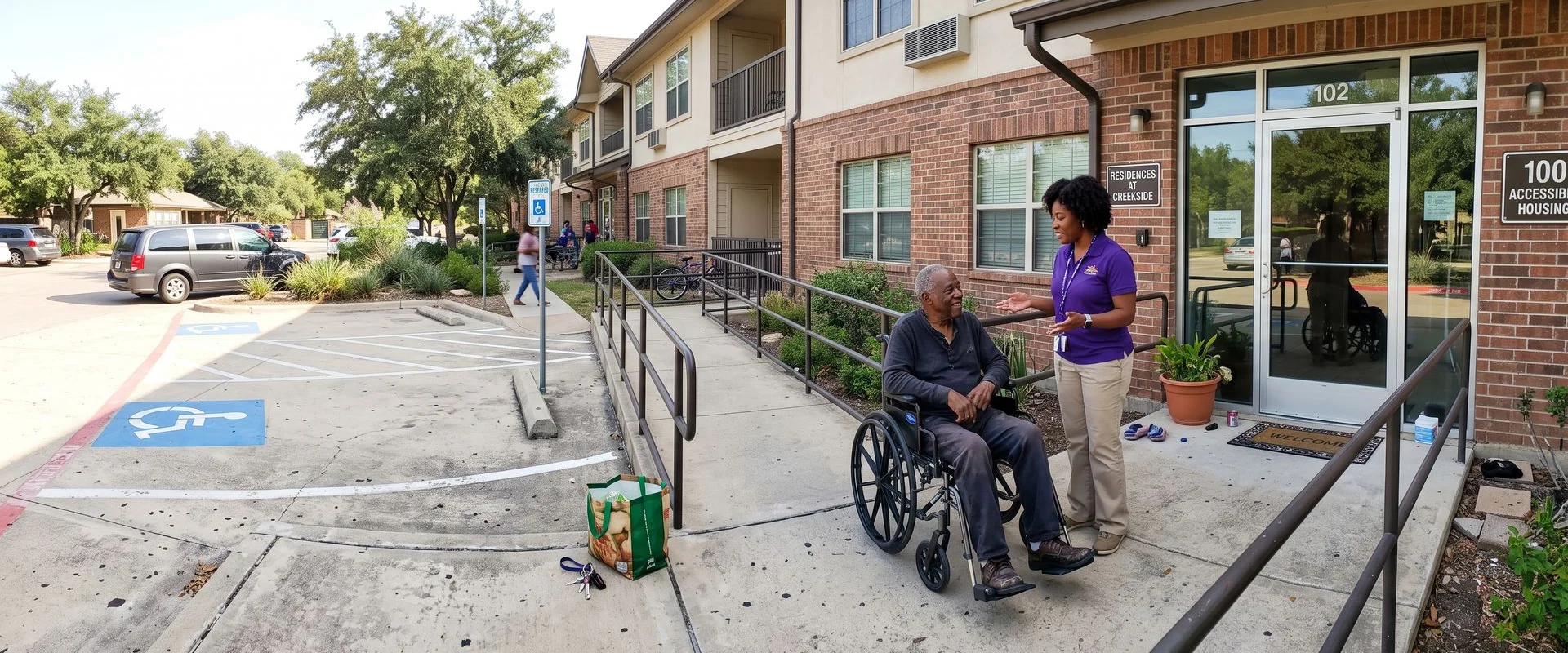
These programs pair affordable rent with help for people living with a disability. That can mean accessible units with roll-in showers, wider doorways and grab bars. It can also mean on-site or linked services such as case management, help with benefits, and referrals for mental health or medical care. Some Austin programs serve people leaving homelessness, others serve adults with physical, intellectual or psychiatric disabilities who need a stable, lower-cost home.
What to look for
Start with eligibility: income limits, disability documentation, and whether a referral from a caseworker is required. Ask how long the waitlist is and whether it is open. Check the unit itself for accessibility features that match your needs, not just a general "accessible" label. Find out which services are included, who provides them, and whether they are voluntary. Also ask how rent is set, since many programs cap it at about 30 percent of income.
How our scoring helps
We compare the 7 programs in this category on the same criteria, so you can see how they differ before you call. See the ranked guide to Austin low income housing programs for the full order, and read the methodology to see what each score counts.
Let us connect you with disability & supportive housing
Tell us what you need and we'll connect you with housing programs in your area. The service is free, with no obligation.
All disability & supportive housing, ranked by score and relevance
We found 57 businesses offering disability & supportive housing; 52 met the criteria for the scored directory. The order weighs each business's overall score by how much of its reviewed work is disability & supportive housing, so a lower-scored specialist can rank above a higher-scored generalist. Filter and sort below, or open the full map view.






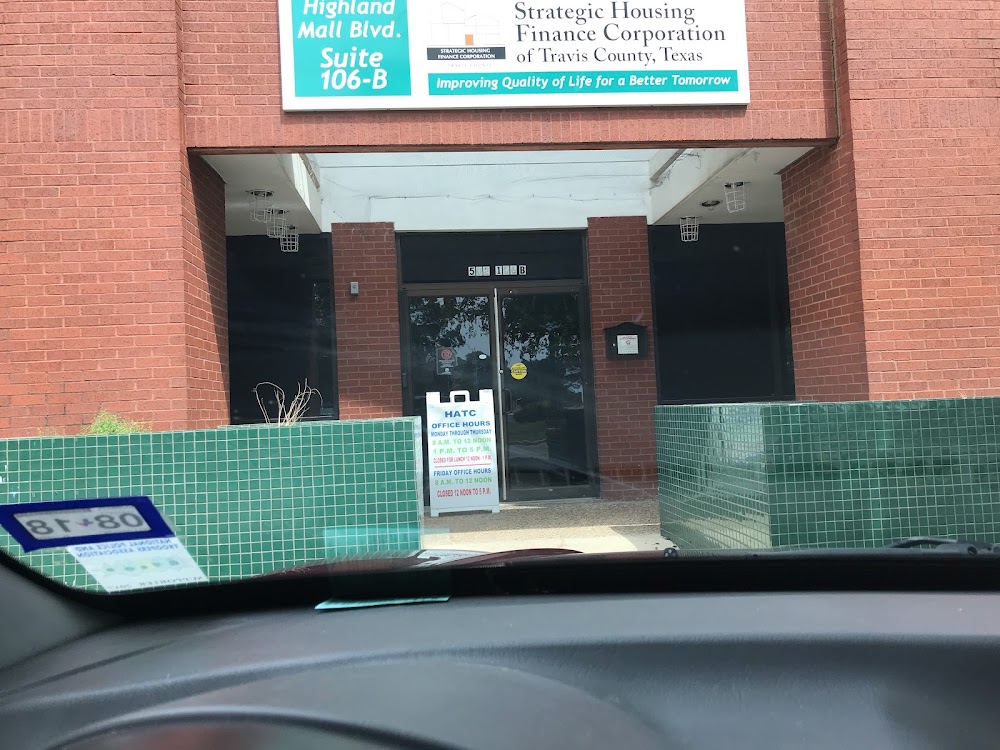

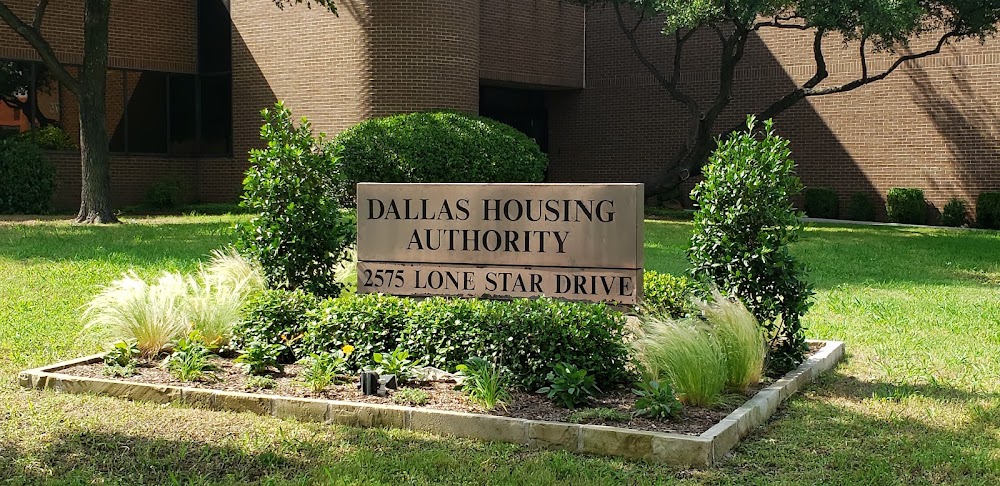


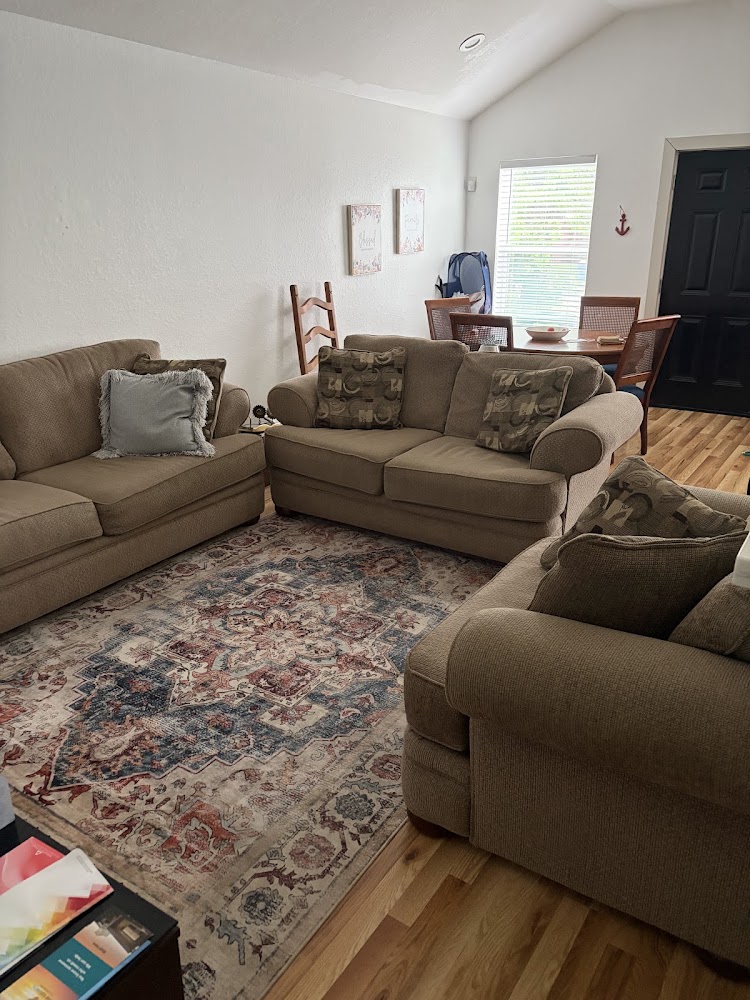











Quote and contact requests you submit through our forms may be passed to one or more partner providers who can carry out the work, and we may receive a fee for each referral. Rankings and scores on this site are not influenced by referral fees; they follow our independent, published scoring method.
Common questions about disability & supportive housing
- How much does disability or supportive housing cost?
- Most subsidized programs set rent at roughly 30 percent of your adjusted income, so someone on SSI often pays a small monthly amount. Some programs charge a flat below-market rent instead. Supportive services are usually free to residents. Ask about utilities and any application fees.
- How long is the wait for a unit?
- Waits vary widely and can run from a few months to several years, especially for voucher-based or fully accessible units. Some waitlists are closed. Apply to several programs at once and keep your contact details current, since missed notices can remove you from a list.
- What documents will I need to apply?
- Expect photo ID, proof of income (such as an SSI or SSDI award letter), Social Security numbers for the household, and documentation of disability from a doctor or agency. Some programs also want a referral from a case manager.
- How can I judge the quality of a program?
- Tour a unit if you can and check that the accessibility features fit your needs. Ask about staff turnover, how maintenance requests are handled, and how often you would meet a case manager. Clear answers and a written list of services are good signs.
Guides to choosing disability & supportive housing
- Applying for disability housing on behalf of a family member
How to help a family member with a disability find and apply for supportive housing in Texas, including accommodation requests and paperwork.