
Applying for disability housing on behalf of a family member
By Leo Ellis · Updated 2026-07-13
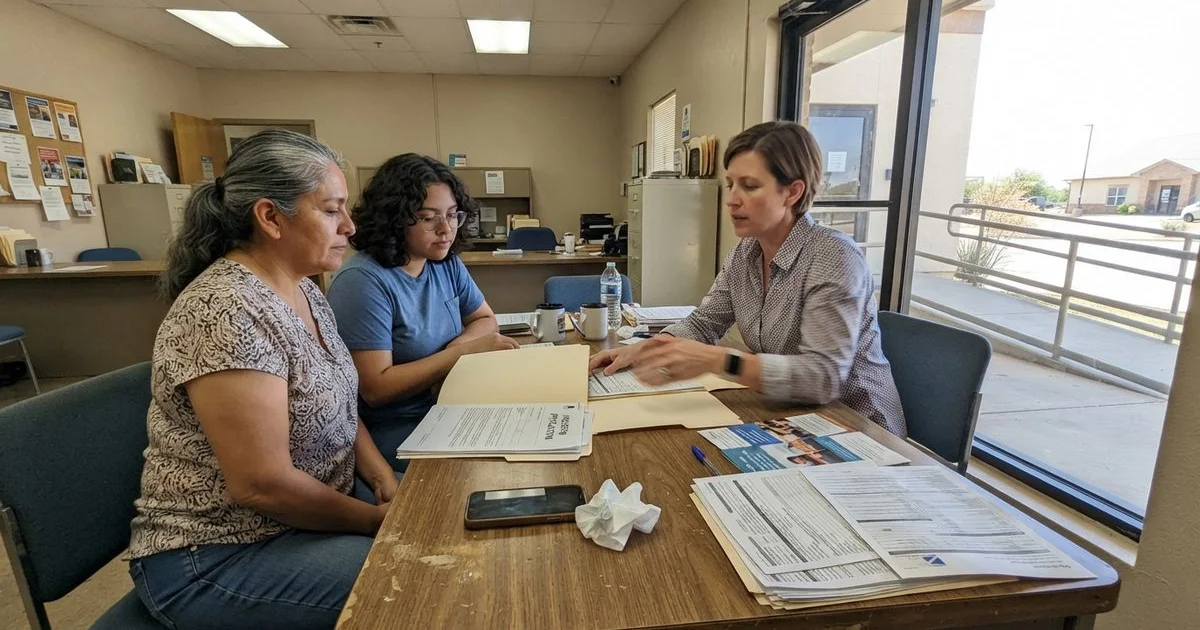
Helping a family member with a disability find housing usually means juggling two things at once: understanding what kind of housing actually fits their needs, and managing paperwork on their behalf if they can’t easily do it themselves. Here’s how to approach both.
Understanding what “disability housing” actually means
Disability-specific supportive housing refers to properties built or funded specifically to serve people with disabilities, often combining housing with coordinated services like case management, life skills support, or on-site health resources. This is different from a disability accommodation, which is a specific right any tenant with a disability can request at any property, such as an accessible unit, a reserved parking spot, or an exception to a pet policy for a service animal. Your family member may need one, the other, or both, depending on their specific situation.
Assessing the right fit
| Type of housing | Best fit |
|---|---|
| Disability-specific supportive housing | Needs coordinated services alongside housing |
| Standard housing with a requested accommodation | Otherwise independent, needs a specific modification |
| Section 811 supportive housing | Very low-income individuals with disabilities needing service coordination |
| Family caregiving in a standard unit | Family member needs support beyond what any property provides |
Talk with your family member’s care team, if they have one, about which category actually matches their day-to-day needs before you start touring properties.
Gathering the paperwork
Most applications need photo ID, proof of income (including disability benefits, which typically count as income for eligibility purposes), and documentation of the disability from a qualified professional. This documentation generally needs to confirm the disability meets the program’s definition, without requiring your family member to disclose a specific diagnosis they may not want shared. If you’re applying on their behalf, bring documentation of your authority to do so, such as power of attorney or guardianship papers, since properties will want to confirm you’re authorized before discussing details of the application.
Applying to more than one option
Disability housing waiting lists vary as widely as any other program, from a short wait to several years depending on the specific property and funding source. Apply to more than one property or program at the same time rather than waiting on a single answer, and ask each one directly about current wait times rather than relying on a general reputation, since availability shifts with unit turnover more than most people expect.
What to expect once you’re touring
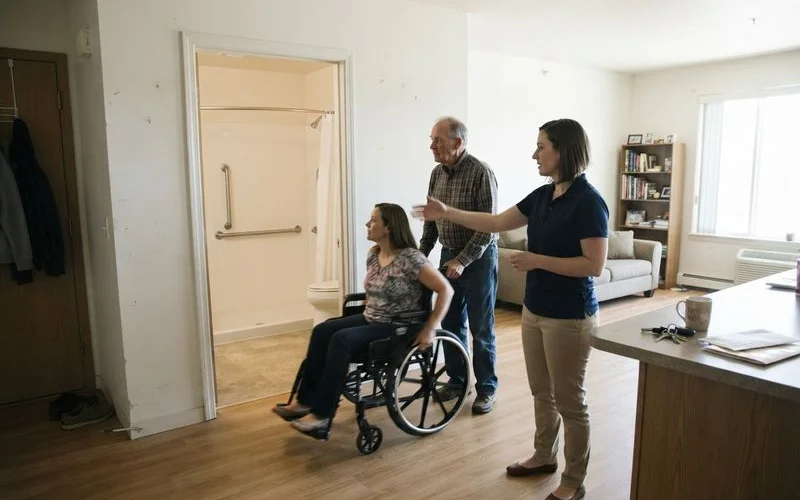
Bring your family member along whenever possible, since a unit that looks accessible on paper doesn’t always work in practice: door widths, bathroom layouts, and the distance from parking to the entrance all matter more in person than in a listing description. Ask specific questions about what on-site services actually exist versus what’s advertised broadly, since “supportive services available” can mean anything from daily staff support to an occasional referral.
Handling the harder conversations
Sometimes the biggest obstacle isn’t paperwork, it’s your family member’s own hesitation about accepting help or moving somewhere new. Involve them in the decision as much as they’re able to participate, even if you’re doing most of the logistical work, since housing that gets chosen for someone rather than with them tends to feel like a loss of control at exactly the moment they need to feel supported. If cognitive or communication challenges make this difficult, ask the property or program whether they have experience working with families in similar situations, since staff familiar with this dynamic can often help bridge the conversation.
If your family member has an existing case manager, social worker, or VA benefits counselor, loop them in early. They often know which specific properties in your area have a track record with the type of disability and support needs involved, which can save you from touring several properties that look right on paper but don’t actually fit in practice.
Getting started
Our directory of disability and supportive housing across Texas lists properties by area, and our ranking method explains how we score listings on accessibility and service quality where that information is available. Our directory also covers general and senior housing categories if your family member’s needs point toward a different type of program alongside disability-specific options. If you’re helping an aging parent instead, see our guide on helping an aging parent apply for senior low income housing.
FAQ
- Can I fill out a housing application for a family member who can't do it themselves?
- Yes, most properties and housing authorities allow a family member, caregiver, or someone with power of attorney to assist with or submit an application, though the applicant's signature or documented authorization is usually still required.
- What's the difference between disability housing and requesting a disability accommodation?
- Disability housing refers to properties specifically built or funded to serve people with disabilities, often with on-site or coordinated services. A disability accommodation is a specific modification, like an accessible unit or a policy exception, that any tenant with a disability can request at any property, not just a disability-specific one.
- What documentation is needed to prove a disability for housing purposes?
- Requirements vary by program, but typically include a statement from a medical or qualified professional confirming a disability under the program's definition, without necessarily requiring a specific diagnosis to be disclosed.
- Are there waiting lists specifically for disability housing in Texas?
- Yes, and they vary as widely as any other housing waiting list, from a few months to a few years depending on the property, area, and funding source, so applying to multiple options at once matters here too.