
Helping an aging parent apply for senior low income housing
By Leo Ellis · Updated 2026-06-29
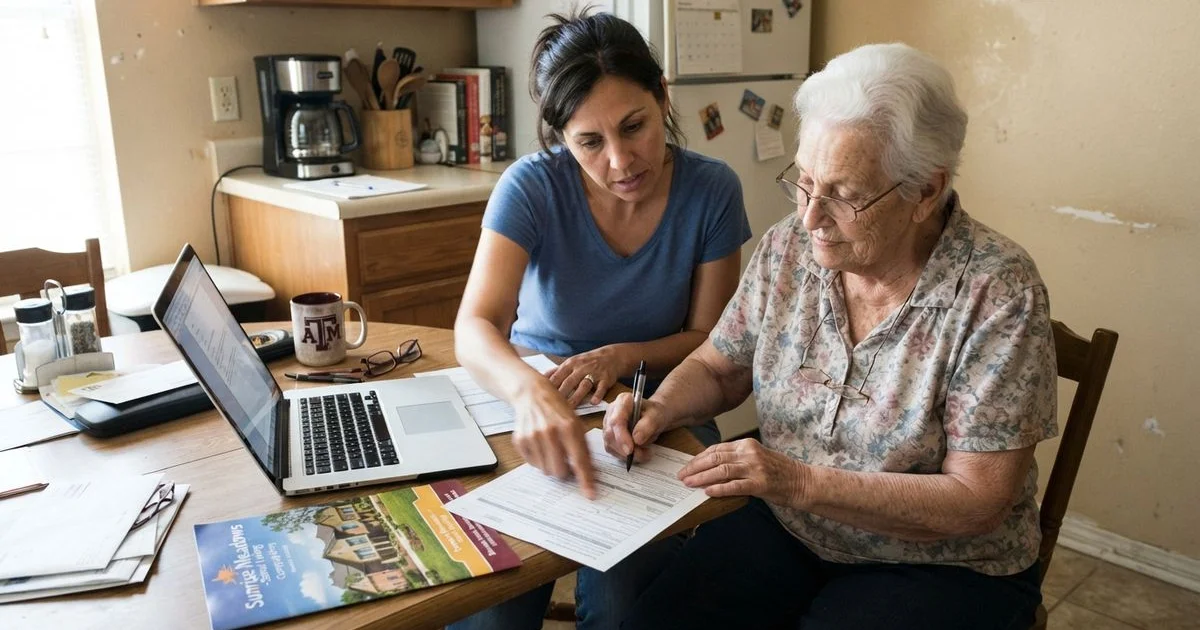
Helping a parent through senior housing is its own kind of project, part paperwork, part a harder conversation about independence and what’s realistic going forward. If you’re doing this for the first time, here’s a practical path through it.
Start with the conversation, not the application
Before you fill out anything, talk with your parent about what’s actually driving the search: is it cost, safety, isolation, or a home that’s become too much to maintain alone. This shapes which properties are worth touring. A parent who’s socially isolated benefits from a community with common areas and organized activities; a parent whose main issue is stairs or yard upkeep may do fine in a quieter, more independent setting. Involving your parent in this early, rather than presenting a decision already made, tends to go a lot better.
Documents to gather together
| Document | Why it’s needed |
|---|---|
| Photo ID and Social Security card | Standard identity verification |
| Proof of all income (Social Security, pension, etc.) | Used to calculate eligibility and rent |
| Medical documentation, if relevant | Some properties require age or disability verification |
| Power of attorney or guardianship papers, if applicable | Needed if you’re signing on your parent’s behalf |
Gathering these together, ideally in one folder, saves repeat trips once you start applying to specific properties.

Independent living versus supportive housing
Not all senior low income housing is the same. Independent senior apartments are just housing, no meals or personal care included, suited to a parent who’s still managing daily life well but wants lower cost and less home maintenance. Supportive senior housing adds service coordination and sometimes meals, better suited to a parent who needs more structure but doesn’t need full assisted living or nursing care. Getting this distinction right upfront avoids touring properties that don’t actually fit your parent’s needs. For a full breakdown of what these communities actually charge, see our guide on what affordable senior apartments cost in Texas.
Applying to more than one property
Just like general housing programs, senior housing waiting lists vary widely by property and area, so apply to a few options at once rather than waiting on one answer. This is especially true if your parent’s current living situation isn’t sustainable much longer, since some properties have faster turnover than others for reasons that have nothing to do with quality, simply unit availability at that moment.
Touring with your parent
If possible, tour in person together rather than relying on photos or a phone description. Walk the actual path your parent would take: from the unit to the mailbox, to laundry, to a common area, since a listed “walkable” community means different things depending on someone’s mobility. Ask staff directly about maintenance response times and whether the community has any social or wellness programming, since our sentiment data shows these are the details that matter most to residents day to day, more than the unit finishes.
When your parent lives far away
If you’re helping remotely rather than in person, coordinate with a local friend, relative, or your parent’s existing doctor or social worker to handle in-person tasks like tours and document drop-offs when you can’t be there. Many properties will do a video walkthrough on request if you explain the situation, though this shouldn’t fully replace an in-person visit before a final decision, since details like noise, cleanliness, and how staff actually interact with residents rarely come through on a video call. If a trip out to tour in person is feasible even once, it’s worth the cost for the peace of mind alone.
Keep a shared document or notebook, even a simple one, tracking which properties you’ve contacted, what each said about wait times, and what documents each still needs. This sounds like overkill until you’re three properties in and can’t remember which one asked for a medical form versus which one just needed income verification.
Getting started
Our directory of senior low income housing across Texas lists communities by area with details on independent versus supportive options where available. Our ranking method explains how we score properties on responsiveness and fit, and our directory covers other housing categories if your parent’s needs point toward a different type of program, like disability-specific supportive housing.
FAQ
- Can I apply on my parent's behalf if they can't manage the paperwork alone?
- Yes, in most cases you can assist with or submit the application, though the property or housing authority will usually need your parent's signature or, if they lack capacity, documentation showing you hold power of attorney or guardianship.
- What if my parent doesn't want to move but clearly needs help?
- Start the conversation around safety and specifics, like stairs, isolation, or a home that's become hard to maintain, rather than a general push to move, and consider getting the application started as a low-commitment first step rather than framing it as a final decision.
- How do I know if a property is right for my parent's level of independence?
- Ask directly whether the property is independent living only or offers service coordination, and tour in person if possible, paying attention to whether daily needs like laundry, mail, and a grocery trip are realistically manageable from that unit.
- What documents does my parent need to apply?
- Photo ID, Social Security card, proof of all income including Social Security and pensions, and often a medical or age verification depending on the property's minimum age requirement.