What this category covers
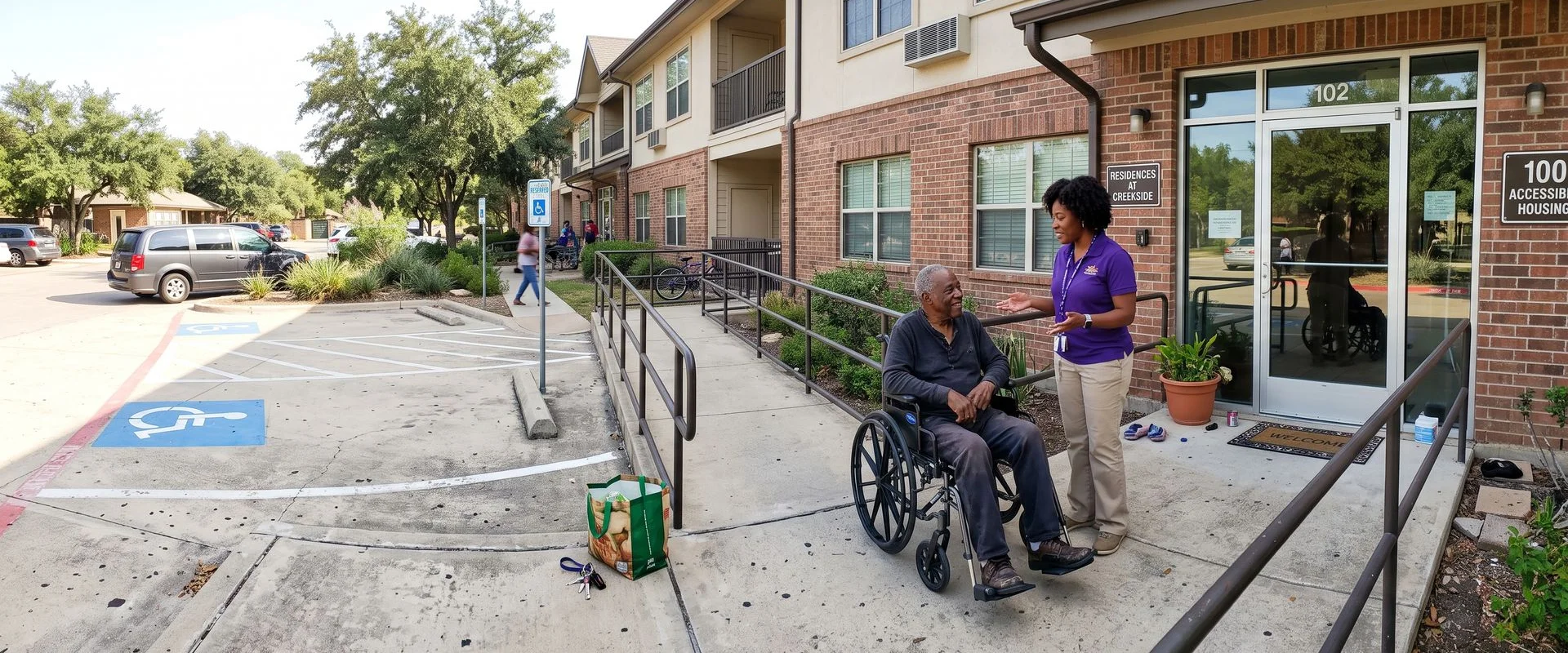
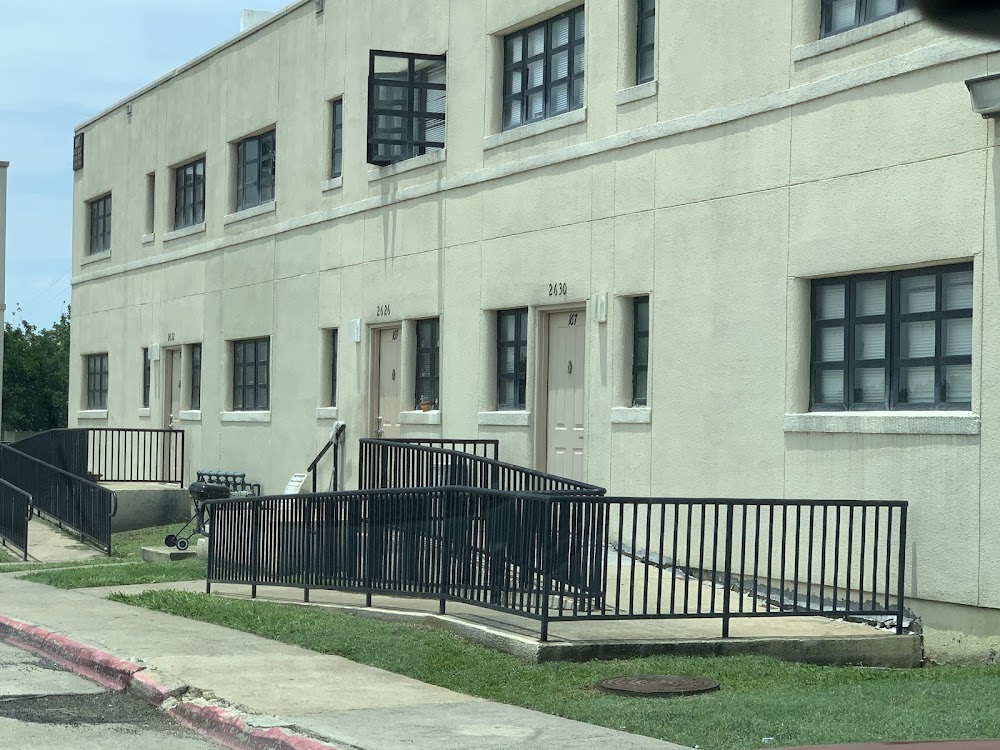
Disability and supportive housing programs combine an affordable place to live with services that help residents stay housed and manage daily life. That can mean accessible units built or retrofitted for wheelchair use, group homes with staff on site, permanent supportive housing tied to case management, or rental assistance programs (like HUD Section 811) that set aside units specifically for people with physical, developmental, or psychiatric disabilities. Some providers focus on a single population, such as adults with intellectual disabilities or people exiting homelessness with a disabling condition. Others operate scattered-site units across Dallas, Fort Worth, Arlington, and the surrounding suburbs, pairing a lease with a service coordinator who checks in regularly.
What to look for before you apply
Start with eligibility rules: income limits, disability documentation requirements, and whether there's a waitlist (many programs in this region have one, sometimes a long one). Ask what services are actually included versus optional, who provides them (on-site staff vs. a referral to an outside agency), and whether the unit is truly accessible or just labeled that way. Confirm how rent is calculated (often a percentage of income) and what happens if a resident's needs or income change. It also helps to ask current or former residents, or a caseworker who's placed people there before, how responsive staff are to maintenance and safety issues.
How our scoring helps
We rank the providers in this directory based on factors like documented accessibility features, service availability, responsiveness, and consistency of resident feedback over time, not just a star average. See the ranked guide to low income housing programs in Dallas-Fort Worth for the full list, and read our methodology for how we weigh each factor.