What this category covers
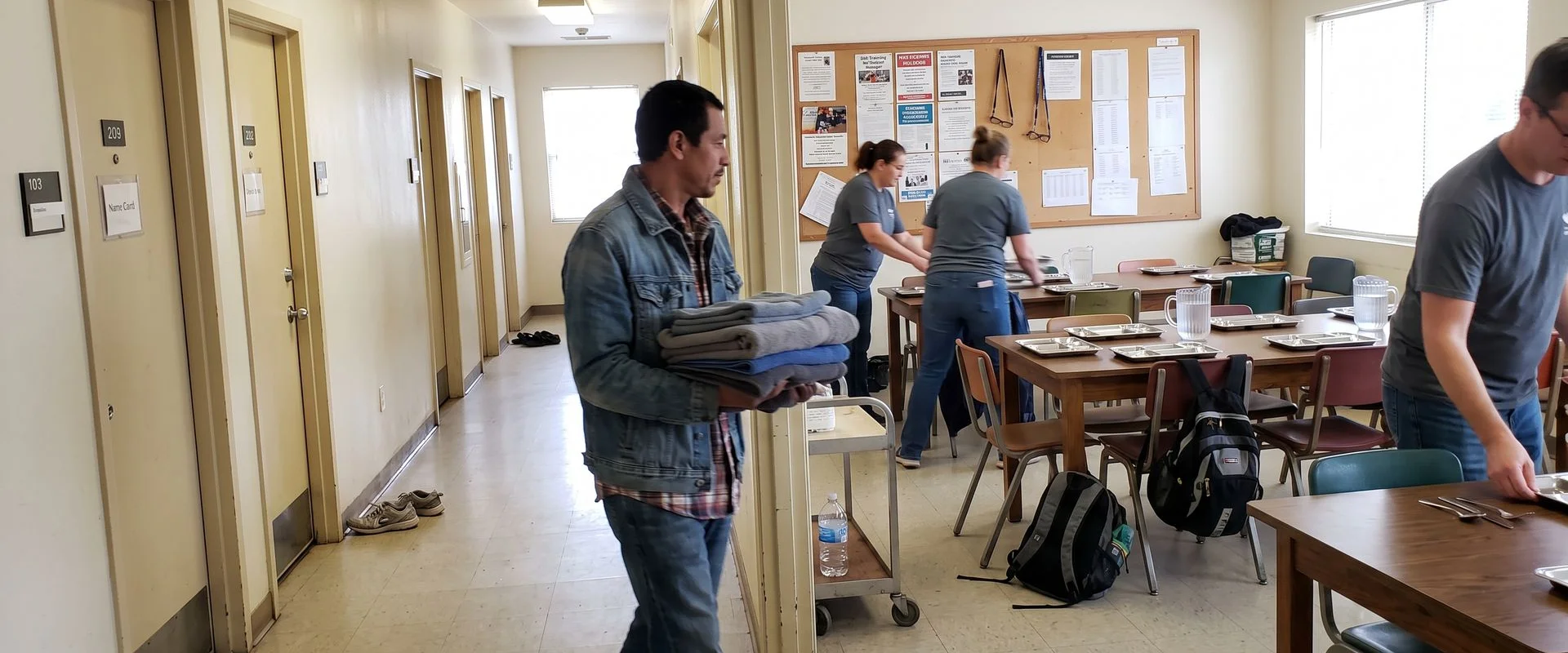
Homeless and transitional shelter programs provide a safe place to sleep along with a path toward stable housing. This can mean an emergency shelter bed for a few nights, a longer transitional housing program that runs several months to two years, or a family-focused shelter with case management, childcare referrals, and job placement help built in. San Antonio has 5 organizations in this category, and they don't all serve the same population or offer the same level of support, so matching the right program to your situation matters as much as finding an open bed.
What to look for before you go
Call ahead when you can. Ask whether the shelter takes single adults, families, couples, or specific groups like veterans or survivors of domestic violence, since many programs restrict intake by category. Ask about length of stay, curfew rules, whether pets or partners are allowed, and whether there's a waitlist. A stronger program usually pairs a bed with a case manager who helps with ID replacement, benefits enrollment, and a housing plan, rather than just offering overnight space. Ask what happens after the maximum stay ends, since that answer tells you whether the program actually moves people into permanent housing or just delays the same problem.
How we rank these programs
Our scoring looks at the range of services offered, how consistently a program is reachable and responsive, and what people who've used the program report about conditions and staff. See the full ranked guide to low income housing programs in San Antonio for how these 5 shelters compare, and read our methodology for the details behind the scores.