
Emergency shelter vs. transitional housing: what's the difference in Texas
By Leo Ellis · Updated 2026-06-01
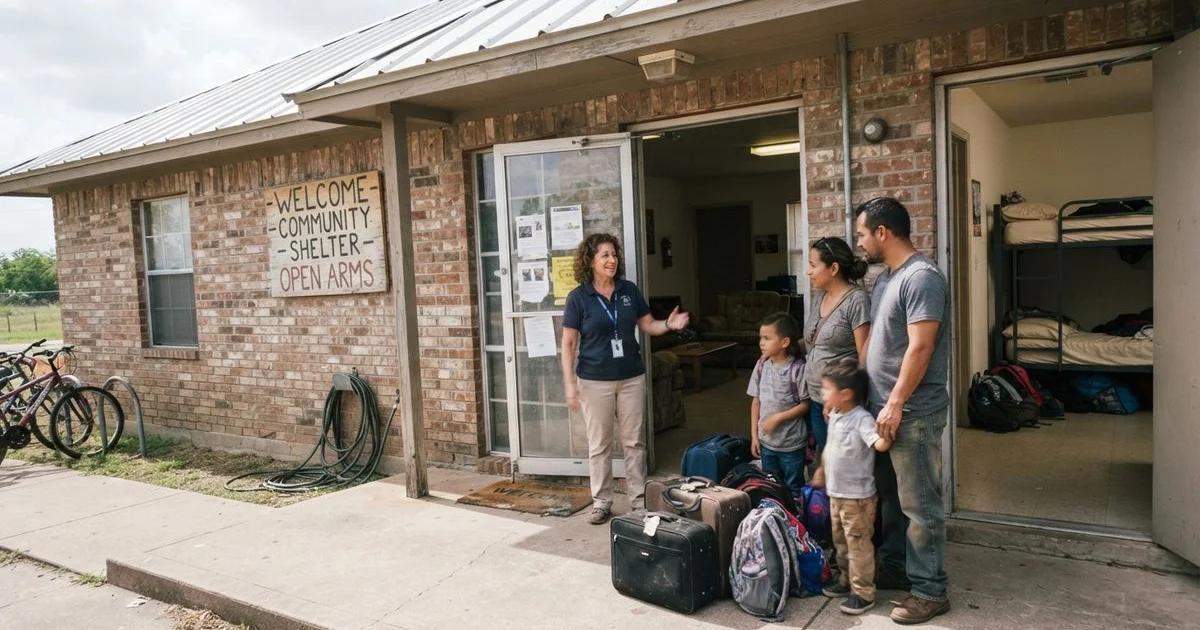
Searching “homeless shelter near me” turns up a mix of programs that solve different problems, and confusing the two costs people time they don’t have. Emergency shelter answers “where do I sleep tonight.” Transitional housing answers “how do I get from homeless to stable in the next year.” Knowing which one you actually need changes who you call first.
What emergency shelter is for
Emergency shelter exists to get someone off the street or out of an unsafe situation the same day. Entry is usually fast: a phone call or walk-in intake, minimal paperwork, and a bed assigned that night or within a day or two if the shelter is full. Stays run from a single night up to 30 to 90 days depending on the program and local funding, and many operate on a nightly basis rather than a guaranteed block of time.
Rules vary by shelter. Some are open all day, others require residents to leave in the morning and return by a curfew. Family shelters generally allow parents to keep children with them; single-adult shelters are often sex-segregated by dorm. A directory of shelter and transitional housing listings is the fastest way to see which programs in your area have space and what they require at intake.
What transitional housing is for
Transitional housing is the next stage: a longer-term program, usually 6 months to 2 years, built around a case plan rather than just a bed. Residents typically get their own room or unit, work with a case manager on income, identification documents, and a permanent housing search, and pay a modest program fee or a percentage of income toward rent. It suits someone who has already stabilized enough to focus on a plan, not someone in the middle of a same-day crisis.
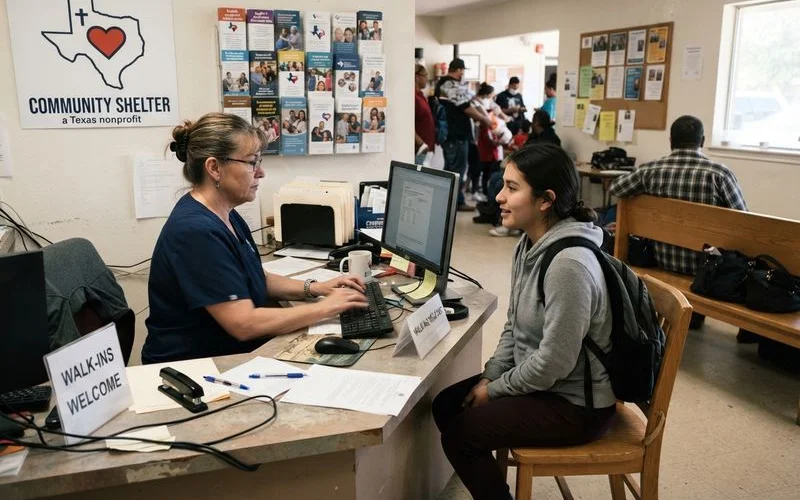
Entry to transitional housing is slower than emergency shelter because programs screen for fit: sobriety requirements at some sites, family composition limits at others, and a defined exit goal. A coordinated entry assessment, run by the region’s Continuum of Care, is usually how people get matched to a transitional bed rather than applying to each program one by one.
Comparing the two side by side
| Emergency shelter | Transitional housing | |
|---|---|---|
| Typical length of stay | 1 night to 90 days | 6 to 24 months |
| How fast you can get in | Same day to a few days | Days to several weeks, often via referral |
| Structure | Dorm-style or shared rooms | Private room or unit, case-managed |
| Cost to resident | Usually free | Often a small fee or income-based charge |
| Best for | An immediate safety crisis | Building toward permanent housing |
Which one should you call first
If you are unsafe tonight, or you have nowhere to sleep right now, start with emergency shelter. Call ahead when possible since many shelters run at or near capacity, especially in the summer heat and during winter cold snaps common across Texas. If you’re currently housed but the situation is unsustainable, such as a 30-day eviction notice or an unsafe living arrangement you can plan an exit from, ask about transitional housing or a coordinated entry assessment before you’re actually on the street. Getting on a waiting list a few weeks early beats calling from a car with nowhere else to go.
Either way, most regions route both types of housing through the same front door. A single coordinated entry call or visit can result in a shelter bed tonight and a transitional housing referral in progress at the same time, so it is worth asking about both even if you think you only need one.
A practical next step
Start local. Contact the shelter or housing nonprofit closest to where you are now rather than the one with the biggest name, since bed availability changes daily and proximity matters when you have limited transportation. Our full directory lists shelters and transitional programs across Texas with details on who each one serves, and our ranking method explains how we score responsiveness and fit so you’re not guessing which phone number to try first.
If your situation involves domestic violence, mention that at intake. Many regions have confidential shelter locations and expedited placement for people fleeing violence, and staff won’t know to offer that option unless you say so.
FAQ
- What's the main difference between emergency shelter and transitional housing?
- Emergency shelter is a short stay, often a single night to a few weeks, meant to get someone off the street immediately. Transitional housing is a longer program, typically several months to two years, paired with case management aimed at moving a household into permanent housing.
- How long can you stay in each type of program?
- Emergency shelters usually cap stays at 30 to 90 days, though some renew that on a night-by-night basis. Transitional housing programs commonly run 6 to 24 months, with a written plan for exit into permanent housing.
- Do you have to already be in emergency shelter to qualify for transitional housing?
- No. Many transitional programs accept referrals directly from a coordinated entry assessment, a hospital, or a domestic violence advocate, not only from an emergency shelter stay.
- Can families with children use both types of housing?
- Yes. Most regions have family-specific emergency shelters and family transitional housing, and the two are usually operated by different organizations even when they share a waiting list system.
Related on this site
- Browse homeless & transitional shelters providers
- Housing help for families fleeing domestic violence in Texas
- Moving into transitional housing: the first 30 days
- What happens to your housing assistance when your income changes
- Moving to Texas with a housing choice voucher: portability step by step
- All guides →