
Facing eviction from subsidized or voucher housing in Texas
By Leo Ellis · Updated 2026-06-15
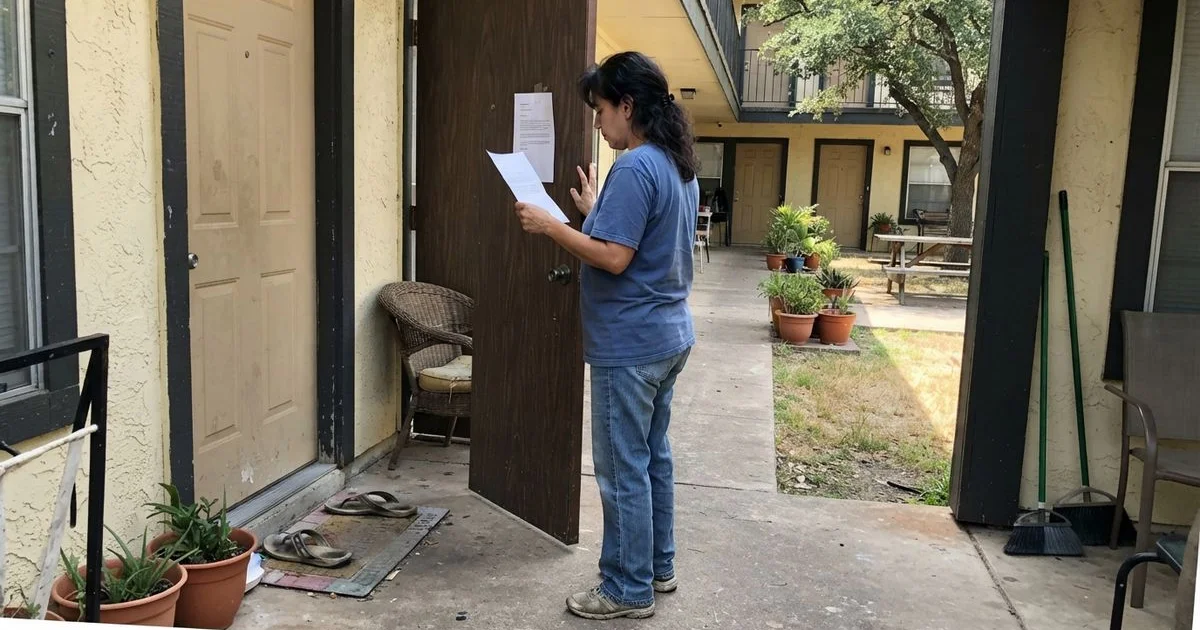
An eviction notice lands differently when subsidized housing or a voucher is involved, because more than your lease is at stake. Beyond losing the unit, a mishandled eviction can put your voucher or your standing at a public housing authority at risk too. Acting in the first 48 hours changes the outcome more than almost anything else you do afterward.
How this differs from a regular eviction
Texas eviction law applies the same baseline process regardless of whether housing is subsidized: a written notice to vacate, typically at least 3 days, followed by a filing in justice court if you don’t leave or resolve the issue. What’s different with voucher and subsidized housing is the layer above the lease. A landlord participating in the Housing Choice Voucher program has separate obligations to the housing authority, and the authority may get involved in ways a market-rate landlord’s eviction never triggers, including a review of your continued voucher eligibility. For a broader look at what federal and Texas law does and doesn’t protect for subsidized renters, see our guide on tenant rights and fair housing protections.
The first 48 hours matter most
The moment you receive a notice, three things help more than anything else: read the notice for the stated reason, since nonpayment, lease violation, and lease non-renewal are handled differently; contact your public housing authority or property’s subsidy administrator to ask whether they’re aware of the situation and what it means for your voucher; and contact legal aid immediately, since eviction defense timelines in Texas move fast and a missed court date can result in a default judgment.
| Step | Why it matters |
|---|---|
| Read the notice type and deadline | Nonpayment notices can sometimes be cured by paying in full before the deadline |
| Call your PHA or subsidy administrator | They can clarify whether your voucher is at risk separately from the lease |
| Contact legal aid same day | Eviction hearings in Texas can be scheduled quickly |
| Apply for emergency rental assistance | Paying what’s owed can sometimes stop a nonpayment case |

If the issue is nonpayment
Nonpayment cases are often the most fixable, since paying the full amount owed before the court date can resolve the case in many situations, even after a notice has been filed. This is exactly where emergency rental assistance nonprofits matter most: a grant covering back rent, processed quickly, can stop an eviction that would otherwise proceed. Apply the same day you receive the notice rather than waiting to see if the landlord follows through with the filing.
If the issue is a lease violation
Violations like unauthorized occupants, unreported income, or repeated late payment are harder to cure with a payment and more often require a legal defense or a negotiated agreement with the landlord. This is where legal aid becomes essential rather than optional, since the standard for what counts as a valid violation, and what defenses exist, requires someone who knows Texas landlord-tenant law and how your specific program treats violations.
What to say, and what not to assume, at the hearing
If your case reaches a court hearing, show up. A large share of evictions in Texas are decided by default judgment simply because the tenant didn’t appear, regardless of whether they had a valid defense. Bring every document you have: the lease, payment records, repair requests you filed, and any rental assistance application confirmation. If assistance funds are pending, tell the judge, since some courts will grant a short continuance if payment is genuinely in progress, though this isn’t guaranteed and depends on the specific court and judge.
Don’t assume a subsidized or voucher lease gives you extra time beyond what Texas law provides generally. The core eviction timeline is the same regardless of the subsidy, the difference is mainly in what happens to your voucher status afterward, not in how fast the court process itself moves.
Protecting your voucher through the process
Keep every piece of paperwork: the notice itself, any correspondence with your landlord, and anything you send to your housing authority. If your voucher is reviewed as a result of the eviction, a documented record of what happened and how you responded is often what determines whether you keep it. Our directory lists housing programs and support organizations across Texas, and our ranking method explains how we evaluate the responsiveness of the authorities and nonprofits we cover.
This is general information about how eviction and voucher review processes typically work in Texas, not legal advice for your specific case. Contact a legal aid organization or licensed attorney for guidance tailored to your situation.
FAQ
- Can a landlord evict a Section 8 tenant for any reason?
- No. Landlords participating in a voucher program generally need good cause, such as lease violations or nonpayment, and must follow the same Texas eviction process as any other landlord, including proper notice.
- Does losing my voucher happen automatically if I'm evicted?
- Not automatically, but a housing authority can review the circumstances, especially if the eviction involved a lease violation like unauthorized occupants or repeated late payment, and in some cases move to terminate the voucher separately from the eviction itself.
- How much notice does a landlord have to give before filing?
- Texas generally requires at least a 3-day notice to vacate before a landlord can file for eviction, unless the lease specifies a longer period, though the reason for the notice affects what happens next.
- Where can I get free legal help for an eviction case?
- Texas has regional legal aid organizations that handle eviction defense at no cost for income-qualified renters. Search for legal aid in your county alongside emergency rental assistance, since applying for both at once gives you the best chance of staying housed.