
Housing assistance for veterans in Texas beyond a HUD-VASH voucher
By Leo Ellis · Updated 2026-07-10
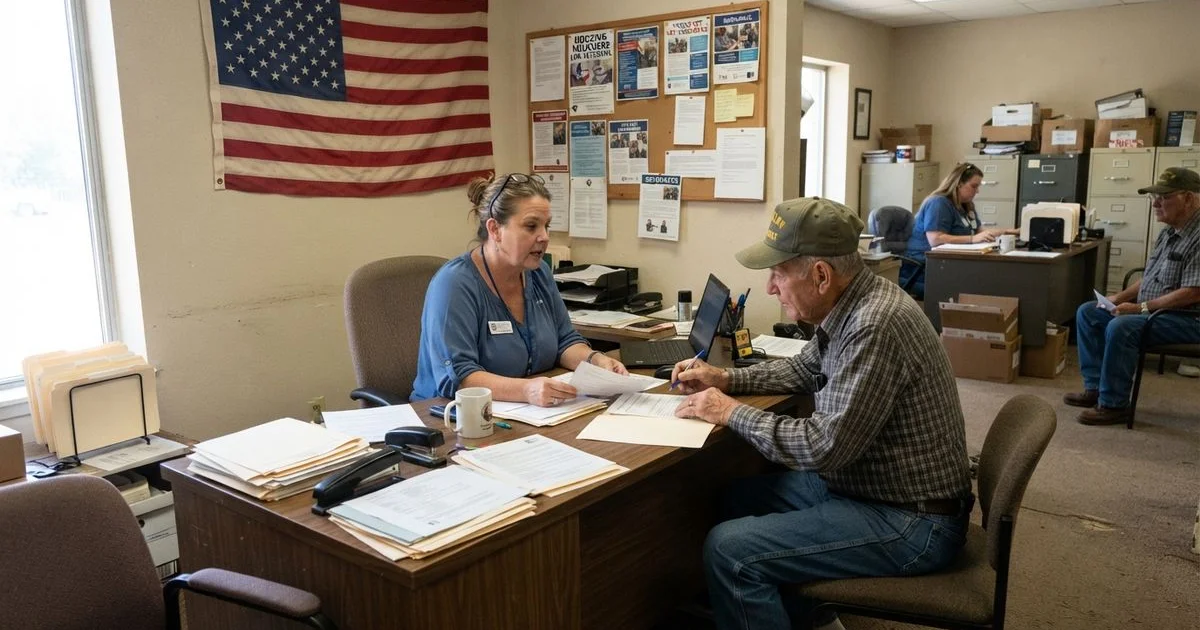
HUD-VASH is the program most people hear about first, pairing a housing voucher with VA case management for homeless veterans. It’s a strong option, but it isn’t the only one, and it isn’t the right fit for every veteran. Here’s what else exists in Texas, how each program actually works, and how the pieces fit together if you end up needing more than one. If you’re weighing HUD-VASH against other paths into housing generally, our guide on how to choose a low income housing program walks through the broader decision.
Where HUD-VASH fits, and where it doesn’t
HUD-VASH targets veterans experiencing or at risk of chronic homelessness who are also enrolled in VA health care, pairing a rental voucher with ongoing case management. If you’re a veteran facing a housing crisis but don’t meet the chronic homelessness criteria, or you’re not enrolled in VA health care, you’re not automatically shut out of help, you’re just looking at a different program.
Supportive Services for Veteran Families
Supportive Services for Veteran Families, commonly called SSVF, is built for veterans and their families who are homeless or at imminent risk of it, and it moves faster than a long-term voucher program because it’s designed for short-term crisis intervention: rental assistance, utility help, and eviction prevention support. This is often the right first call if you’re facing an immediate housing emergency and don’t already have HUD-VASH in place.
| Program | Best for | How it works |
|---|---|---|
| HUD-VASH | Chronic homelessness risk, VA health care enrolled | Voucher plus ongoing VA case management |
| SSVF | Immediate crisis, prevention | Short-term rental and utility assistance |
| Standard Section 8 / public housing | Longer wait acceptable, broader eligibility | Regular PHA waiting list, often with veteran preference |
| VA disability-related housing grants | Veterans with a service-connected disability | Home modification or specially adapted housing funds |
Standard housing programs still count you as a priority
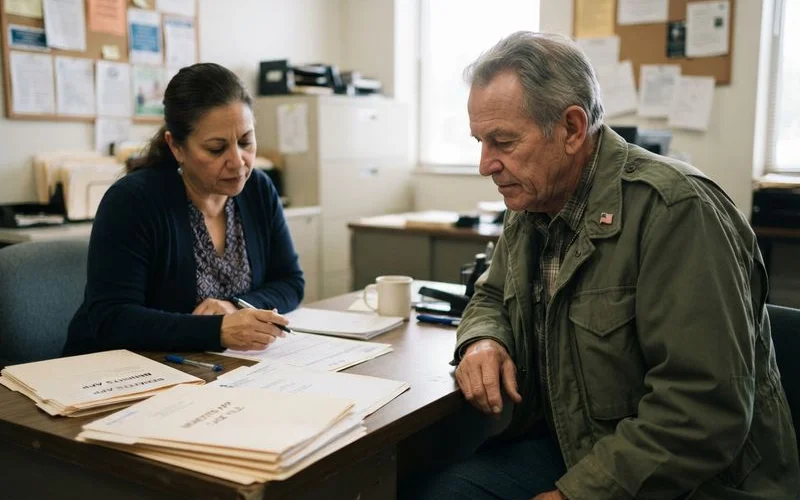
If neither HUD-VASH nor SSVF fits your situation, don’t overlook the standard path: many Texas public housing authorities include veteran status as a local preference category on their Section 8 and public housing waiting lists, which can shorten what would otherwise be a long wait. This is worth asking about explicitly when you apply, since it isn’t always applied automatically without you identifying your veteran status on the application itself.
Disability compensation and housing eligibility
If you receive VA disability compensation, it generally counts as income for housing eligibility calculations, the same as other income sources. For veterans with a service-connected disability requiring home modifications, the VA also offers specific housing grant programs aimed at adapting a home for accessibility, a separate track from rental assistance that’s worth exploring if a standard unit won’t work for your needs.
Combining programs instead of picking just one
These programs aren’t mutually exclusive. A veteran might use SSVF for immediate rent relief while an HUD-VASH or standard Section 8 application processes in the background, switching to the longer-term program once it comes through. Applying to more than one track at the same time, rather than waiting to see if one works out first, is generally the fastest path to stable housing.
Local and state resources worth checking
Beyond federal programs, some Texas cities and counties run their own veteran housing initiatives, often smaller and less publicized than HUD-VASH or SSVF but sometimes faster to access precisely because fewer people know to apply. A local veteran service organization or county veteran services office can usually tell you what’s available in your specific area, and these offices exist specifically to help veterans work through the full range of benefits, not just the federal housing programs most people hear about first.
Getting started
Contact your regional VA office or a veteran service organization to get connected to SSVF or HUD-VASH eligibility screening, and separately apply to standard public housing authorities in the area you want to live, mentioning your veteran status directly. Bring your DD-214 or other discharge documentation to these conversations, since most programs and preference categories require proof of service before they can apply any veteran-specific benefit to your application. Our directory covers housing programs across Texas, and our ranking method explains how we evaluate the organizations and authorities we list.
FAQ
- What if I don't qualify for HUD-VASH?
- HUD-VASH has specific eligibility tied to VA health care enrollment and chronic homelessness risk factors, so a veteran who doesn't qualify still has other paths, including Supportive Services for Veteran Families and general Section 8 or public housing.
- Can I use veteran status to get priority on a regular housing waiting list?
- Many Texas public housing authorities include veterans in their local preference categories, which can shorten the wait compared to the general list, so ask specifically when you apply.
- Does VA disability compensation count as income for housing eligibility?
- Yes, VA disability compensation generally counts as income for calculating eligibility and rent under most housing programs, though the specific treatment can vary slightly by program.
- Is there emergency housing help specifically for veterans?
- Yes, Supportive Services for Veteran Families funds emergency assistance including short-term rental aid and help avoiding eviction, aimed specifically at veterans and their families at risk of homelessness.