
How the Section 8 waiting list works in Texas
By Leo Ellis · Updated 2026-06-08
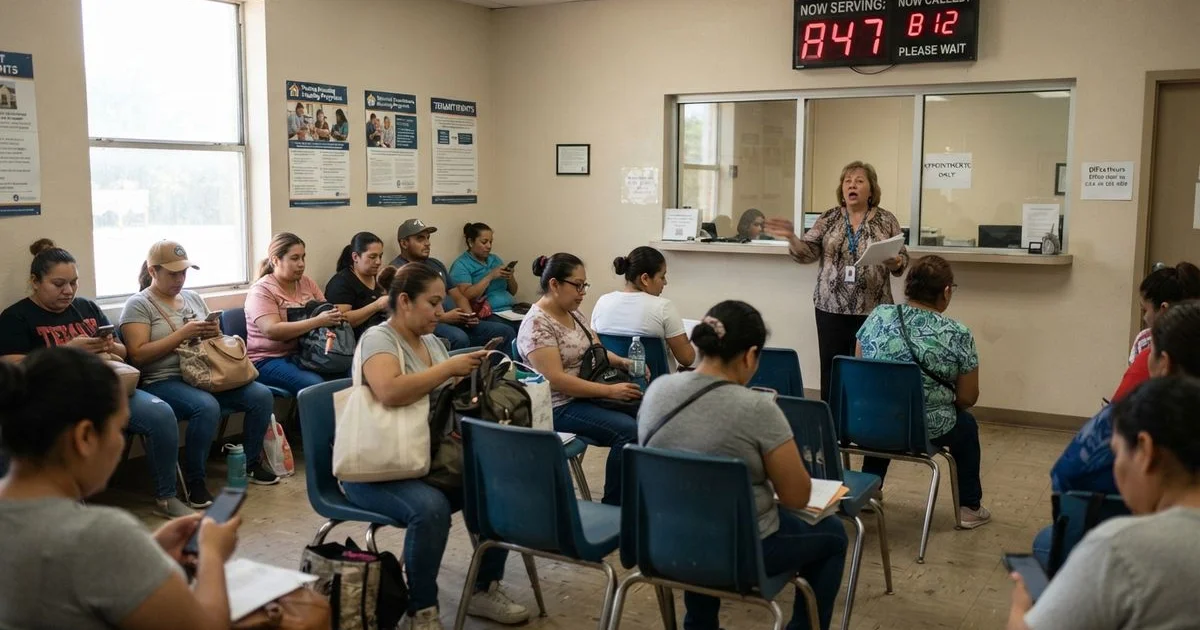
A Section 8 waiting list isn’t one list. It’s dozens of separate lists, one per public housing authority, each with its own rules for opening, ranking, and moving names forward. Understanding how the mechanics actually work is the difference between waiting passively and improving your real odds.
Lottery vs. first-come, first-served
Most Texas public housing authorities use one of two systems when a list opens. A first-come, first-served list ranks applicants by the date and time they submitted an application, so being ready the moment a list opens matters. A lottery system instead assigns everyone who applies during the open window a random number, meaning submitting the first minute a list opens carries no advantage over submitting on the last day, only being in the pool matters. Check which system a PHA uses before you assume speed is the deciding factor. You can browse public housing authorities across Texas to see which lists are open now.
Preferences move you up the list
Within either system, most PHAs apply local preference categories that jump certain applicants ahead of the general pool. Common preferences include being a current local resident, being elderly or having a disability, being a veteran, or being homeless or fleeing domestic violence. A household that qualifies for a preference can move from a multi-year wait to a matter of months at some authorities, so it’s worth disclosing every preference category you genuinely qualify for on the application itself, not assuming staff already know.
| Preference category | Typical effect on wait time |
|---|---|
| No local preference | Baseline wait time for that PHA |
| Current local resident | Often meaningfully shorter |
| Veteran, elderly, or disabled | Frequently the largest reduction |
| Homeless or fleeing violence | Often prioritized fastest |
Effects vary by authority and current list volume; these are general patterns, not guaranteed outcomes for any specific PHA.
What actually happens while you wait
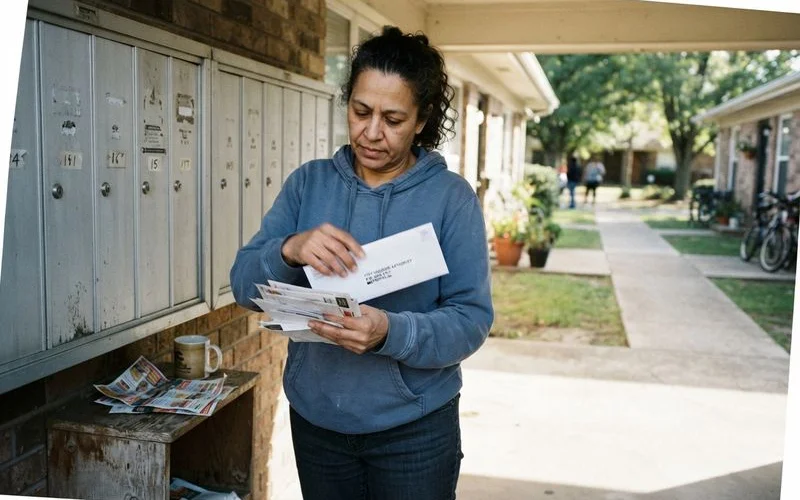
Being on the list isn’t passive from the PHA’s side either. Most authorities periodically send a postcard or letter asking you to confirm you’re still interested and that your contact information is current. This single step is the most common reason people lose their spot: mail goes to an old address, the letter goes unanswered, and the applicant is removed without ever knowing a unit was close to being offered. Update your address and phone number with every PHA you’re listed with any time you move, even before you’re near the top.
What moves you closer to the top
Aside from preferences, list movement mostly comes down to household turnover and voucher funding, both outside your control. What is in your control: applying to every PHA covering an area you’d genuinely live in, since a smaller mid-size city authority often has meaningfully shorter waits than a major metro list. Responding immediately to every update request. And keeping your household composition and income information accurate, since a discrepancy discovered when your name finally comes up can delay or disqualify you at the worst possible moment.
Why some lists move faster than others
List speed comes down mostly to two things outside any single applicant’s control: how many vouchers a PHA has funded relative to demand in its area, and how much turnover happens among current voucher holders. A smaller authority in a mid-size Texas city often issues vouchers faster simply because it has fewer applicants competing for a similar per-capita allocation than a major metro authority. This is the practical reason applying broadly, not just to the PHA nearest your current address, genuinely changes your odds rather than just adding paperwork. If you already hold a voucher and are relocating rather than applying fresh, our guide to moving a housing voucher to Texas covers that separate process step by step.
Getting ready before your name comes up
Once you’re contacted, PHAs typically ask for documentation within a short window: photo ID, Social Security cards for the household, income verification, and sometimes a criminal background release. Having these ready in a folder ahead of time means you can respond same-day rather than scrambling, which matters since some authorities move to the next applicant if you can’t produce documents fast enough.
Our directory tracks public housing authorities across Texas with details on list status where published, and our ranking method explains how we weigh responsiveness in scoring each authority.
FAQ
- How long is the Section 8 waiting list in Texas?
- It varies enormously by housing authority, from a few months at a smaller rural PHA to several years at a major metro authority. Ask the specific PHA for its current estimate rather than relying on a statewide average, since local demand drives the number more than anything else.
- How do I know when a waiting list is open?
- Each public housing authority announces its own opening window, often for just a few days or weeks, through its website and local media. Sign up for alerts directly with the PHAs covering the areas you'd accept housing in, since lists open on no fixed schedule.
- Does applying to more than one PHA help?
- Yes. You can apply to multiple public housing authorities at the same time, and doing so is one of the few things fully within your control, since each authority keeps its own separate list.
- What happens if I miss the deadline when my name comes up?
- Most PHAs give you a set window, often 10 to 14 days, to respond to a letter or call confirming your continued interest. Missing it typically removes you from the list, so keep your contact information current at every PHA you're on.