
Mold, repairs, and unsafe conditions in subsidized housing: what tenants can do
By Leo Ellis · Updated 2026-06-17
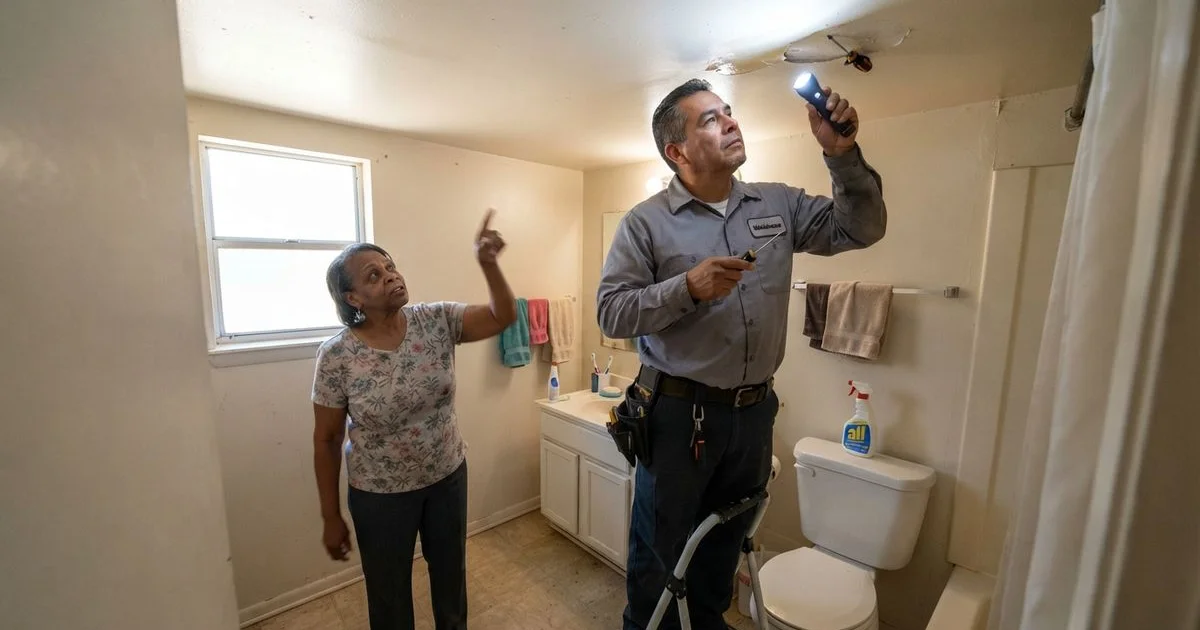
Unresponsive maintenance and unsafe unit conditions are among the most consistent complaints we track across subsidized housing in Texas, from run-down units needing major repairs to mold and aging infrastructure. If you’re dealing with this now, the path forward is documentation first, then escalation through the right channel, not just repeated phone calls that go nowhere.
Document everything, in writing
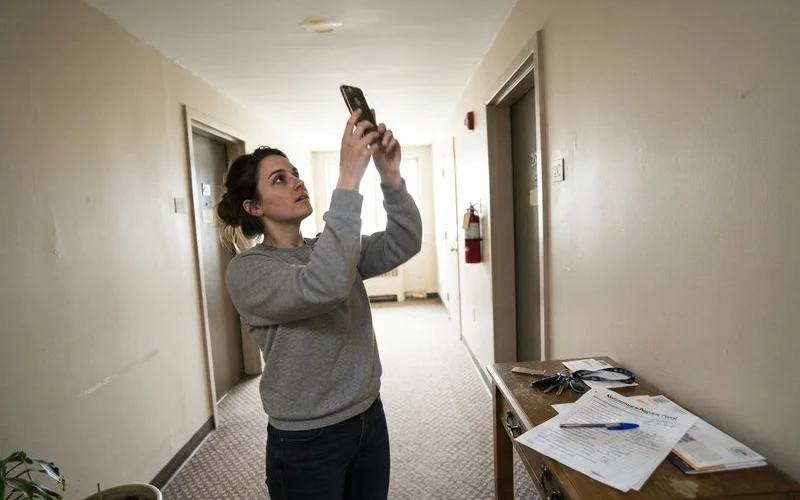
Take dated photos or video of the problem the day you notice it. Submit a written repair request, by email or through a tenant portal if your property has one, even if you also call or stop by the office. A phone call leaves no record; a written request does, and that record matters enormously if the issue drags on and you need to escalate to the housing authority or a legal aid organization later.
Keep a simple log: date reported, who you spoke to, what they said, and whether anything was done. This sounds tedious when you’re dealing with an actual mold problem, but it is the single biggest factor in how fast escalation works if the first request is ignored.
Who is responsible for what
| Housing type | Who inspects | Where to escalate first |
|---|---|---|
| Housing Choice Voucher unit | PHA via Housing Quality Standards inspection | Your PHA’s inspections department |
| Public housing | The housing authority directly | Property manager, then PHA leadership |
| LIHTC affordable apartment | State housing finance agency oversight | Property management, then the state agency |
Escalation paths vary by program and locality; your lease or voucher paperwork should list the specific contact for habitability complaints.
When it’s more than a routine repair
Mold, exposed wiring, no working heat or air conditioning in Texas summer, pest infestations, and structural issues like a sagging ceiling are habitability problems, not routine maintenance. These typically qualify for expedited attention, and if your unit is voucher-assisted, a serious habitability failure can trigger an out-of-cycle Housing Quality Standards inspection. Ask your PHA directly whether the issue you’re facing qualifies for this rather than waiting for the property’s normal maintenance queue.
If nothing happens after you report it
Escalate above the on-site staff. For a voucher unit, contact your PHA’s inspections or client services department directly and reference your written repair requests and photos. For public housing, go to the housing authority’s central office rather than only the property manager. Texas also allows tenants specific legal remedies for habitability failures, including repair-and-deduct procedures under certain conditions, but these have exact requirements and missing a step can jeopardize your lease. Talk to a legal aid organization before attempting a repair-and-deduct or rent withholding on your own.
Understanding a health-related exposure
Mold and pest exposure can genuinely affect health, particularly for children, older adults, and anyone with asthma or a compromised immune system. If a household member is having symptoms that could be tied to a housing condition, such as persistent coughing, skin irritation, or worsening allergies, mention the housing condition to their doctor, since documenting a potential connection can matter both for their care and for building your case if you need to escalate the repair issue formally.
Protecting yourself while you wait for a fix
If a condition is genuinely unsafe, such as no functioning smoke detectors or a gas smell, treat it as an emergency and say so explicitly when you report it, since “emergency” and “routine repair” often go into different queues with very different response times. Keep paying rent as agreed unless you’ve confirmed with legal aid that withholding is appropriate for your situation, since falling behind on rent while also fighting a repair issue puts you at risk on two fronts instead of one.
Our directory includes housing programs across Texas, and our ranking method explains how tenant-reported condition and responsiveness feed into how we score listings.
This is general information about tenant rights and repair processes, not medical or legal advice. If a condition is affecting your health, see a doctor, and if you need help understanding your legal options, contact a Texas legal aid organization.
FAQ
- What should I do first if I find mold in my unit?
- Photograph it, note the date and location, and submit a written repair request to your property manager or PHA, even if you also call. A written request creates a record that matters if the issue isn't fixed.
- Can I withhold rent until repairs are made?
- Texas law sets specific conditions and procedures for repair-and-deduct or rent withholding, and doing it incorrectly can put your lease at risk. Talk to legal aid before withholding rent rather than assuming it's a safe first step.
- Who inspects subsidized units for safety issues?
- Voucher units go through periodic Housing Quality Standards inspections by the public housing authority. Public housing and LIHTC properties have their own inspection cycles, and you can request an inspection outside the normal schedule if conditions are unsafe.
- What if my property manager ignores repeated repair requests?
- Escalate in writing to the public housing authority or the property's management company above the on-site staff, and consider filing a complaint with your state or local housing agency if the issue involves habitability, not just a minor repair.